
The Anti-Slavery Collective
We are working to end modern slavery.
The Anti-Slavery Collective focuses on tackling forced work in business supply chains. Labour exploitation is currently a high reward/low risk business for those who perpetuate it. It is also a feature of business models that extract value from people to increase profit margins.
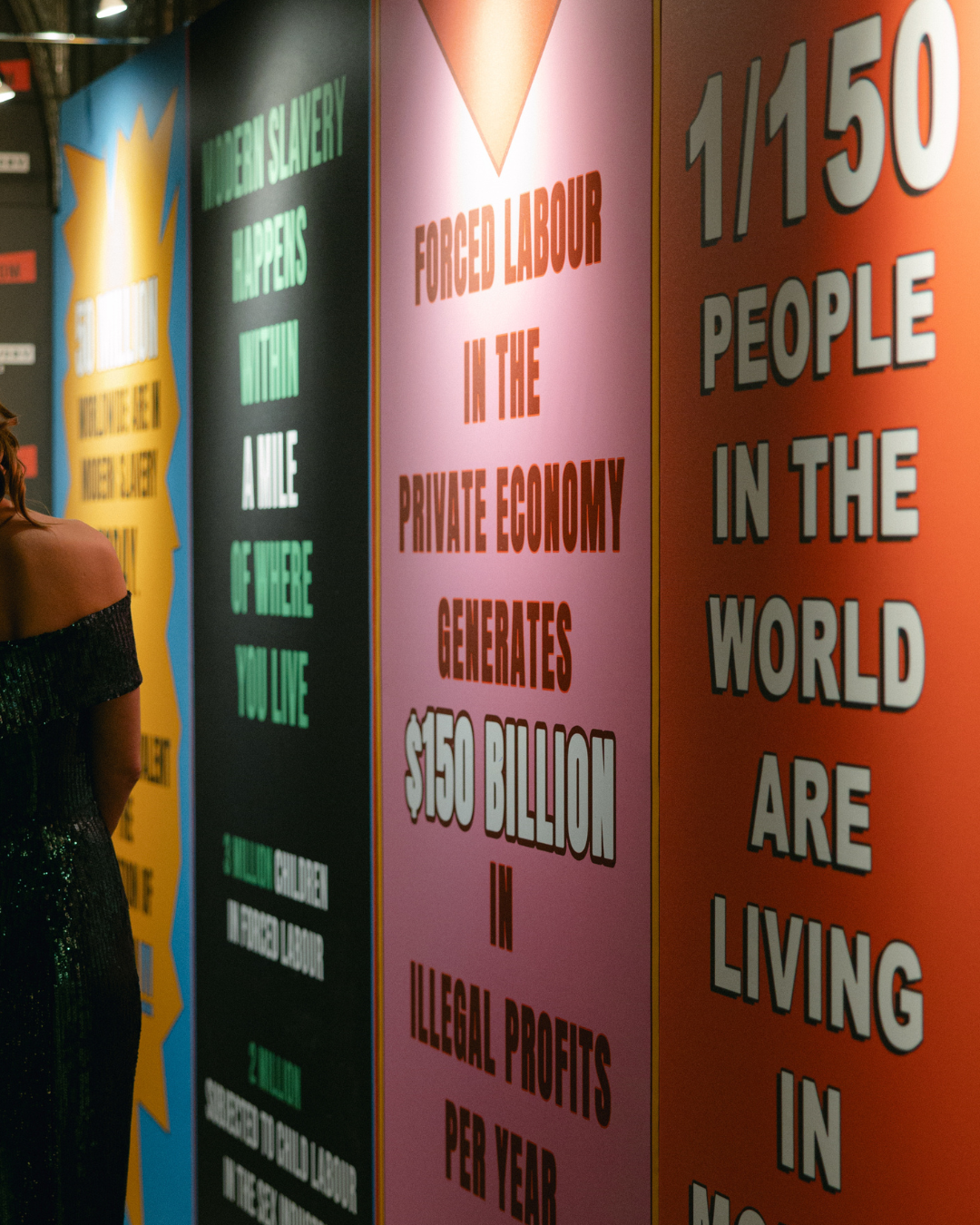
There are an estimated 50 million people in modern slavery around the world.
Modern Slavery
It is estimated that there are 50 million people today who are trafficked or who live in modern slavery-like conditions – more people than at any other point in history. This means about 1 in 150 people living today are experiencing deeply exploitative work conditions.
The International Labour Organisation defines modern slavery as “situations of exploitation that a person cannot refuse or cannot leave because of threats, violence, deception, abuse of power or other forms of coercion”. It can include human trafficking and slavery, domestic servitude, commercial sexual exploitation, forced work and other forms.
The Anti-Slavery Collective seeks to address root causes of exploitation. Labour exploitation and modern slavery are deeply embedded in economic, political, legal and socio-cultural systems across the world. These systems create structural factors such as poverty and migration that leave people vulnerable to exploitation and leave no viable alternatives for better work.
1 in 150 people living today are experiencing deeply exploitative work conditions.
The Anti-Slavery Collective focuses on tackling forced work in business supply chains. Labour exploitation is currently a high reward / low risk business for those who perpetuate it. It is also a feature of business models that extract value from people to increase profit margins. Part of this model is the creation of consumer expectations for cheap and fast goods, intensified by marketing and advertising. Labour exploitation occurs in the supply chains of most businesses, and across all sectors – from textile factories, farming and mineral mines to car washes, sex work and care homes.
Awareness
Only 1 in 20 people in the UK think slavery is a significant issue in their local area, when in actual fact, you are never futher than 1.5 miles from someone living in forced labor.

Profits
With 28 million people trapped in forced labor on any given day, the International Labour Organisation estimated that forced labor generated profits of $236 billion in 2023.
Slavery exists NOW.
Slavery exists Here.
Forced Work
We prefer the term ‘forced work’ over ‘forced labour’, and ‘job exploitation’ over ‘labour exploitation’. Both terms emphasise that bad working conditions exist on a spectrum – with forced work on one end as the most intense exploitation, and ‘dream job’ as the most fulfilling work on the other end.
Work conditions can initially be decent and deteriorate into exploitation. Job exploitation and forced work can occur in everyday situations and in every type of job.

Glossary
JOIN US
Learn more about how you can help end modern slavery by signing up for our newsletter.