
Fair Work Futures: An Education Programme on Labour Exploitation for Youth
Labour exploitation in the UK, as well as overseas, is not well understood by many young people.
The Fair Work programme helps young people better identify fair and unfair working practices, examine why exploitation persists, and explore the roles that government, businesses and individual citizens play in shaping work conditions.
This programme has been developed in partnership with young people (including those with lived experience), educators, and behavioural science specialists.
Programme Objectives
Knowledge – Young people can identify and describe forms of labour exploitation and forced labour
Critical reflection – Young people better understand vulnerabilities to labour exploitation and can distinguish between fair, unsafe and exploitative working conditions
Collective action – Young people are motivated to identify practical ways that individuals, communities and policymakers can contribute to fairer working conditions
Report – ‘Fair Work Futures: From Awareness to Action’
This report, authored by behavioural change agency Social Change, looks at the attitudes and knowledge that young people in the UK aged 11-14 and their educators hold on labour exploitation and forced labour. Social Change conducted focus groups and ran surveys in autumn and winter 2025 to inform the development of our Fair Work Futures project, a two-part citizenship lesson series for Keystage 3 students.
Key findings from the report were:
- 61% of young people were unaware that unfair work affects young people in the UK
- Young people find it easy to recognise exploitation at extremes (90% identified coercion, unsafe conditions and restricted movement as exploitation), but lose confidence when it comes to grey areas (e.g. unpaid overtime, no breaks, verbal abuse at work)
- Young people recognise systemic responsibility: 87% identify governments as responsible for stopping unfair work, 81% identify companies as responsible, 27% identify themselves as responsible
- Young people want language that is serious, not vague. Many young people understand the term ‘unfair work’ but prefer hearing about ‘labour exploitation’, which they perceive as more serious and credible, and as signalling that systemic harm is occurring
- Young people want to hear honest accounts of exploitation, without graphic or distressing features, over fictional or symbolic examples
Practical takeaways for our programme development include:

Read the full report

EVENTS
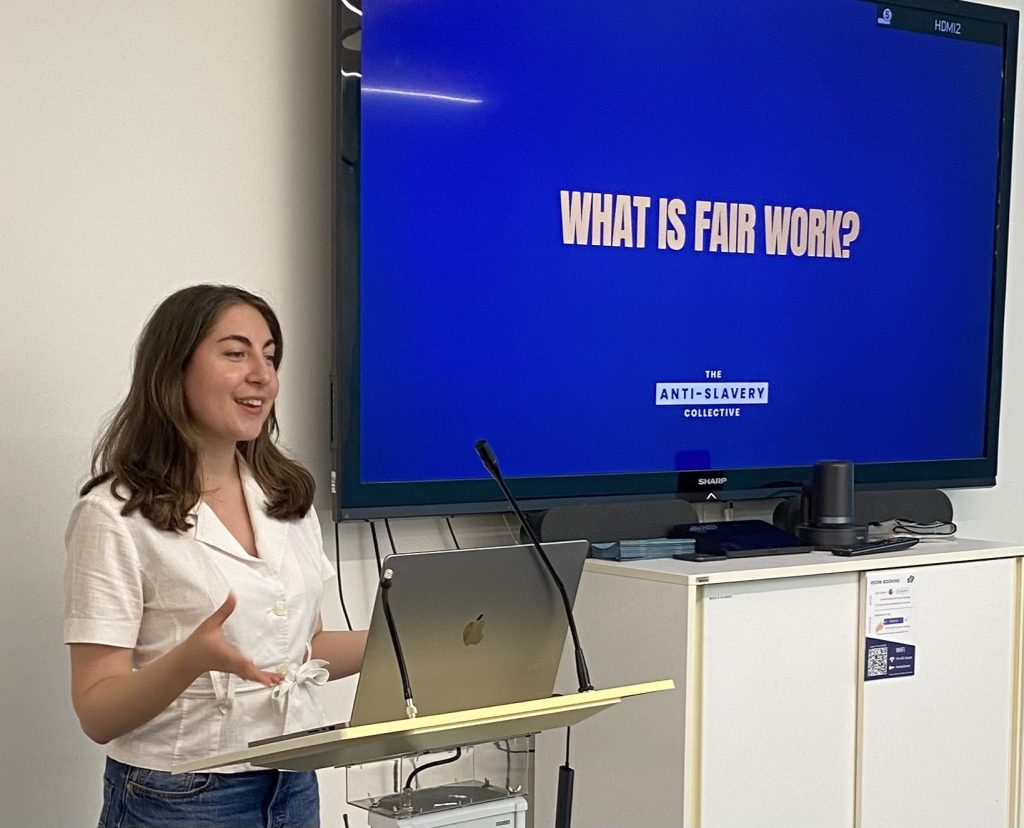
‘What is Fair Work?’ Workshop Series – January 2026
In January 2026, we launched a ‘What is Fair Work?’ workshop series with a lived experience young adults group. The sessions focus on UK employment rights and use real-life case studies and situation-based learning to help participants recognise fair and unfair working practices, understand their legal protections, and build confidence in navigating the workplace.
Workshops delivered so far have covered written contracts, payslips, minimum wage and rules around working hours.
Round Table – May 2025
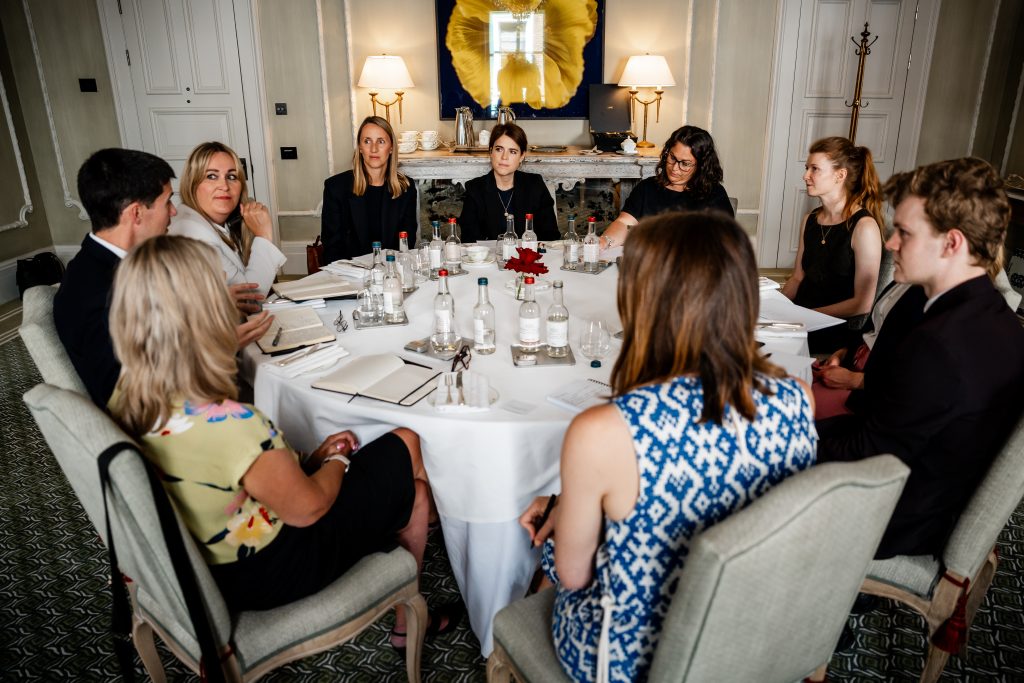
In May 2025, we hosted a roundtable convening experts from the education sector and from social action and youth organisations to shape the design of the education programme pilot.
The pilot will run across a range of educational contexts including schools, pupil referral units and children’s homes. It includes two structured lessons, an immersive media experience at Sky Up Academy, and supported opportunities for young people to take social action.